

Even highly sophisticated GPS manipulations leave digital fingerprints. These traces are often subtle but systematically detectable. Our mission at LaceUp is clear: to track down these fingerprints before they distort leaderboards or undermine the spirit of fair competition.
Focusing on GPX quality, not just manipulation
In most cases it is less about deliberate forgery and more about GPX quality: how precise is the position data? How stable is the sampling rate? How plausible are speeds and accelerations?
That is why we will combine machine learning with human review going forward. This ensures every ride is assessed reliably – automated, but with common sense wherever technology reaches its limits.
The team behind the project
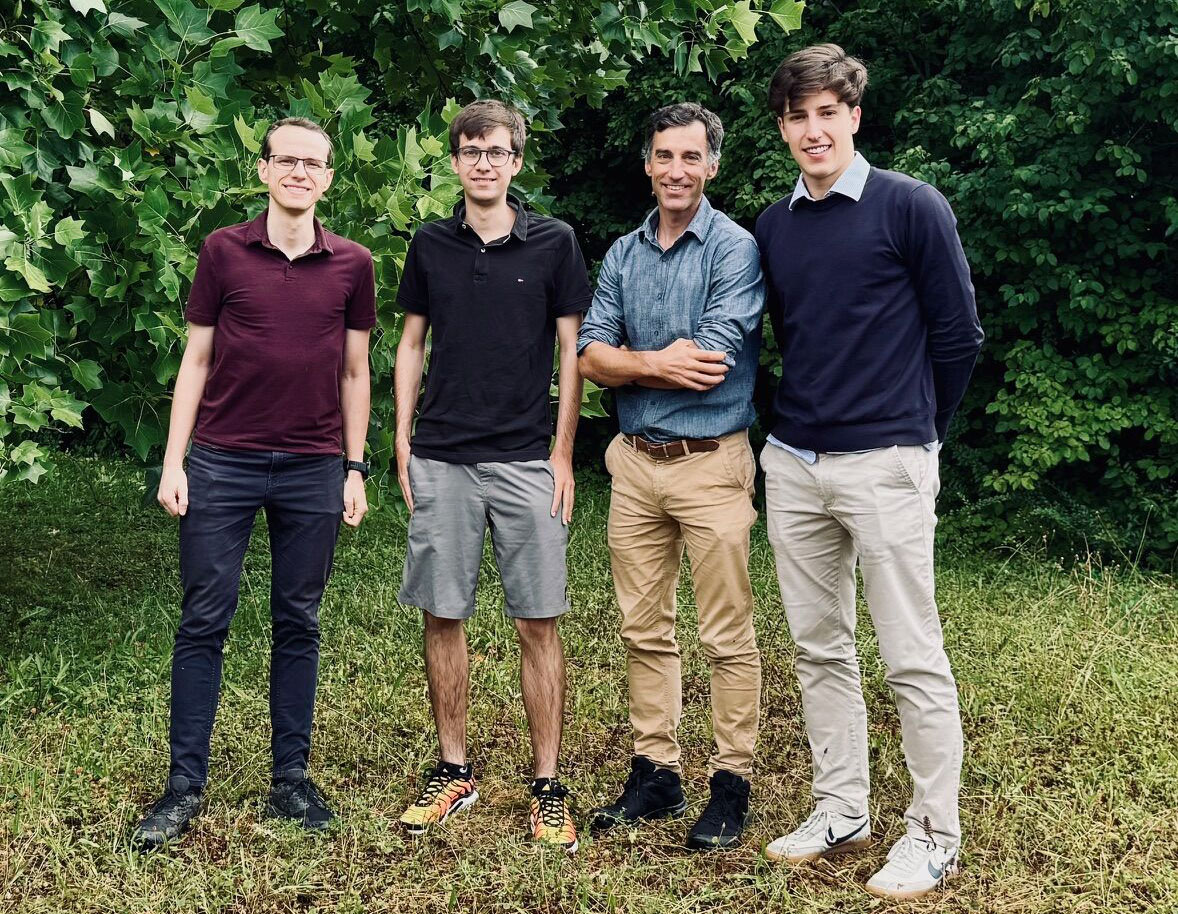
The project is a genuine joint effort: scientific depth from ETH Zurich meets practical experience from hundreds of LaceUp events. Students Kevin Kosch and Nikolaus Rath made central contributions through their bachelor's theses, while Benedikt Soja, Matthias Aichinger-Rosenberger, Tobias W., Nico Schefer and Sebastian de Castelberg drove the research, validation and implementation on the platform.
Only this combination of research and practice produces a system that is robust, traceable and fair.
How we beat the "perfect" fake ride
- Generate controlled fakes: we deliberately constructed rides that are confusingly similar to real data – to challenge our detection systems head-on.
- Analyse systematically: we look for the finest patterns – implausible interpolations, acceleration profiles, or metadata that does not add up.
- Combine ML & humans: the algorithm scores automatically; reviewers check critical cases manually.
- Create transparency: when an activity is excluded, the participant receives a clear, understandable explanation.
What comes next
- Extending the checks to e-bikes, motor vehicles and new sports (running, orienteering, swimming, skiing)
- Detecting so-called virtual athletes ("Strava jockeys")
- Improving encryption and data integrity for GPS/GNSS
- Building a smarter, fairer future for digital sport
A look behind the scenes
Members of the "Digital Doping" project, with the bachelor's thesis of Kevin Kosch and Nikolaus Rath.
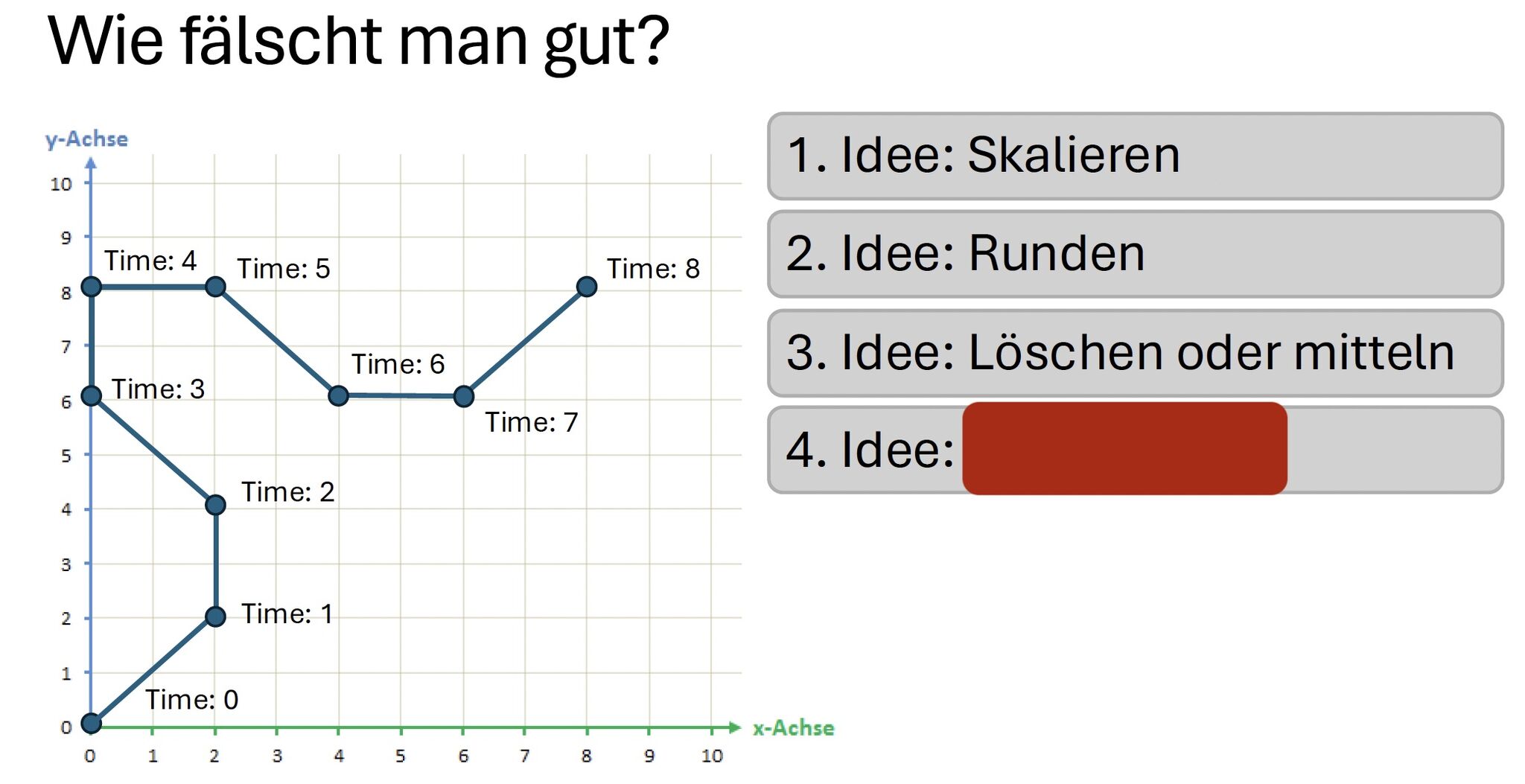
Plenty of ideas for challenging the detection algorithm – and steadily improving it.
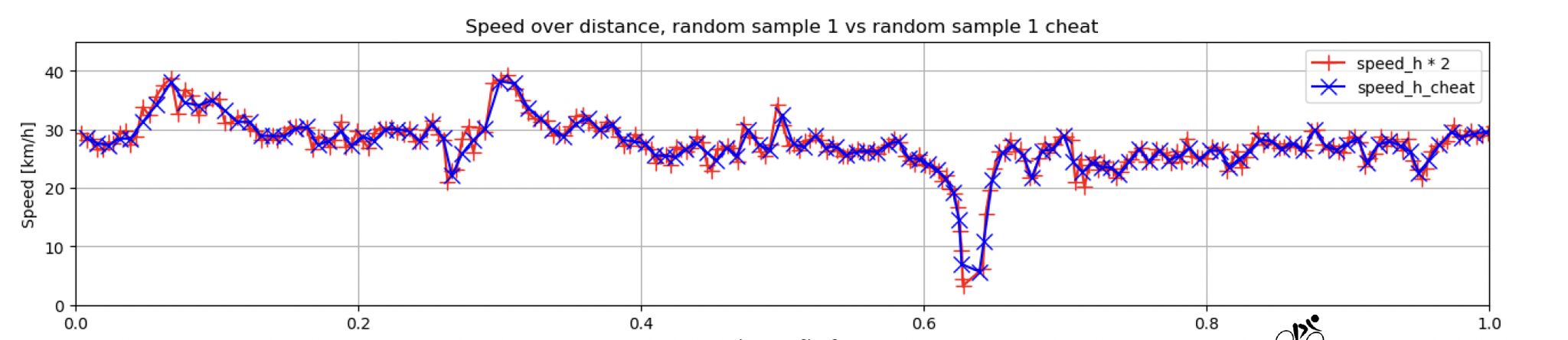
An almost perfect manipulated ride – visually convincing, but not free of digital fingerprints.
Conclusion
Digital doping is real – but not unbeatable.
By understanding attacks and simulating them ourselves, we learn how to detect and prevent them. Fairness remains our compass: fun and participation are at the centre, but quality control is indispensable today so that every result reflects genuine performance.
Credits
Kevin Kosch Nikolaus Rath Benedikt Soja, Matthias Aichinger-Rosenberger, Nico Schefer, Sebastian de Castelberg, Tobias W.